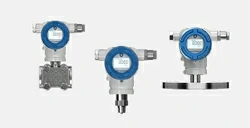

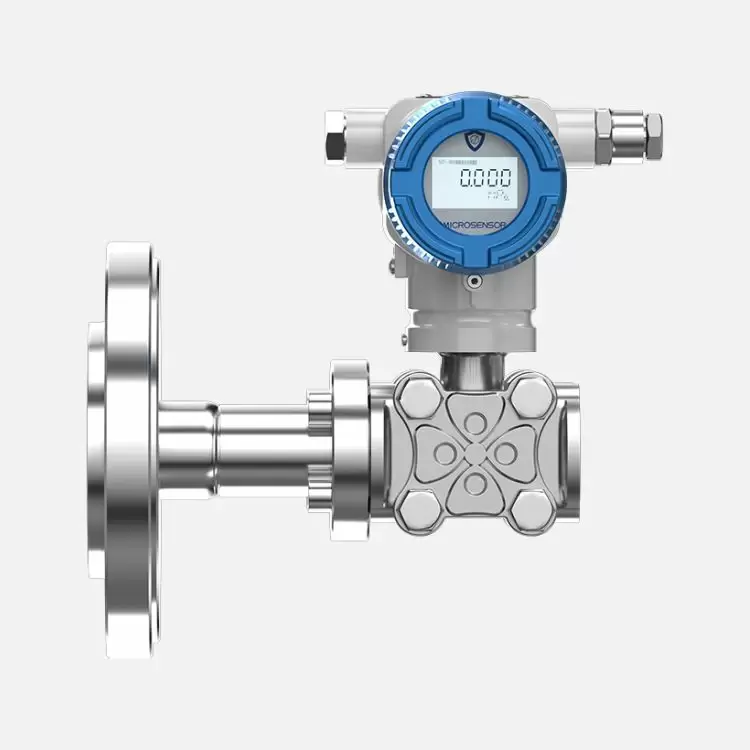
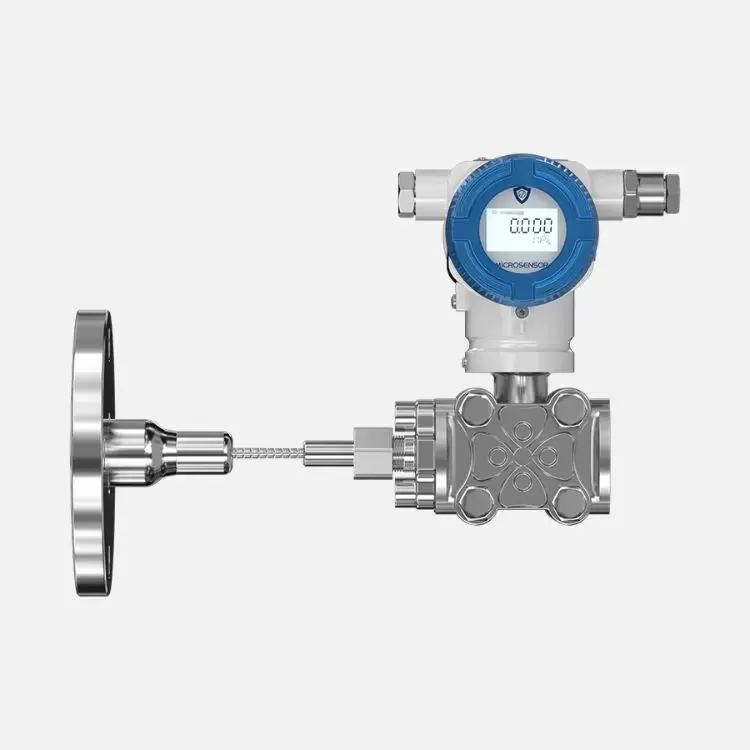
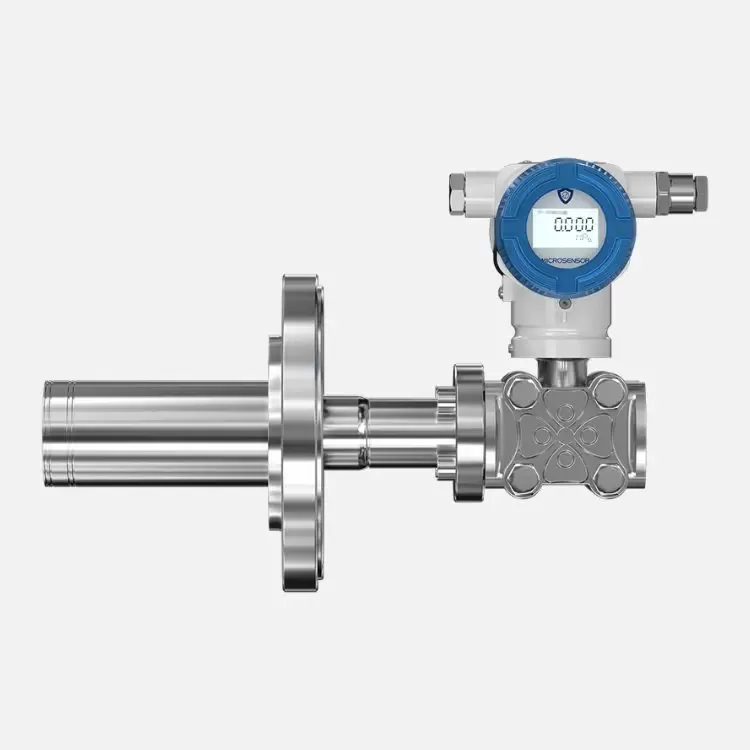

Smart Differential Pressure Transmitter With Remote Diaphragm Seal
Accuracy: ±0.75%URL
Range: 0.4bar~2.5bar
Long-term stability: ±0.1% Span/10 years
DNV, ABS, KR, NK, and RS approved for installation on vessels
New Product Change Notice (PCN) effective Jan 1, 2025. MICROSENSOR appreciate your understanding.

MDM7000LT
Oil and Gas Industry, Power Generation and Mining Industry, Urban Water Supply and Drainage
Leave a MessageMDM7000LT
Used For
Oil and Gas Industry, Power Generation and Mining Industry, Urban Water Supply and Drainage
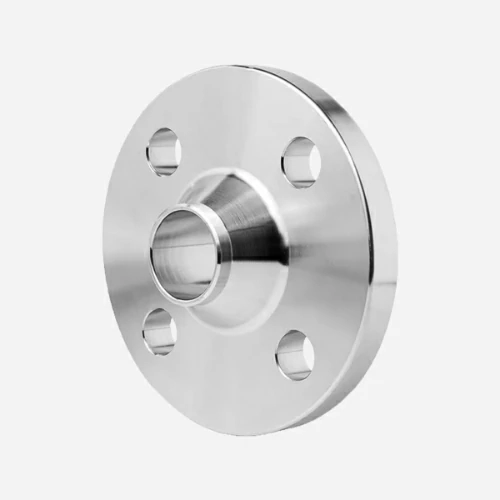
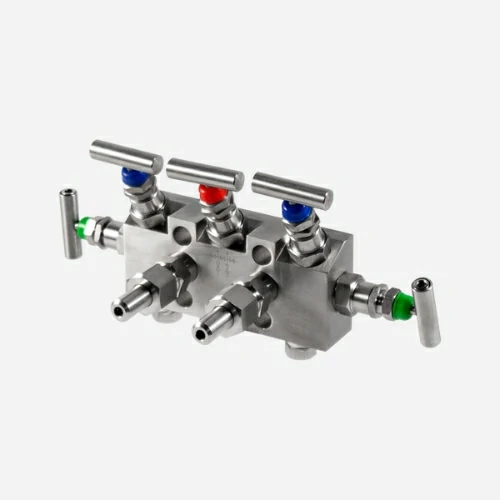
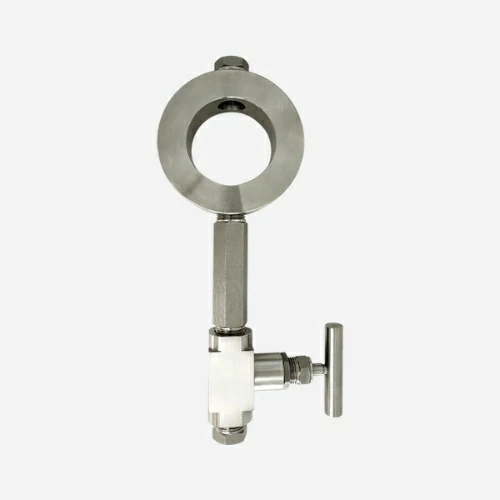
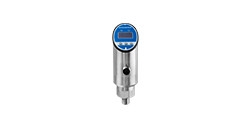
Leave a MessageMDM7000-LT Intelligent Level Transmitter is applicable for level measurement of high viscosity, corrosive, and easily precipitated fluids. It supports multiple options of liquid as a filled oil that transmits the media pressure from the flange end to the instrument body. MDM7000-LT can be directly mounted on the flanges available for different standards. The level transmitter has a measuring range of 0.4 bar to 2.5 bar. This transmitter is suitable for use in various industries where precise level measurement is required.
Features
• Measurement Range: 0.4bar~2.5bar
• Support 4~20mA DC, RS485 Modbus signal output
• Available for remote setting and monitoring
• High accuracy with stable performance
• High overload protection diaphragm & EMC protection circuit module
• Monocrystalline silicon piezoresistive sensor technology
• DNV, ABS, KR, NK, and RS approved for installation on vessels
Image:
MDM7000-LT Intelligent Level Transmitter is applicable for level measurement of high viscosity, corrosive, and easily precipitated fluids. It supports multiple options of liquid as a filled oil that transmits the media pressure from the flange end to the instrument body. MDM7000-LT can be directly mounted on the flanges available for different standards. The level transmitter has a measuring range of 0.4 bar to 2.5 bar. This transmitter is suitable for use in various industries where precise level measurement is required.
Features
• Measurement Range: 0.4bar~2.5bar
• Support 4~20mA DC, RS485 Modbus signal output
• Available for remote setting and monitoring
• High accuracy with stable performance
• High overload protection diaphragm & EMC protection circuit module
• Monocrystalline silicon piezoresistive sensor technology
• DNV, ABS, KR, NK, and RS approved for installation on vessels


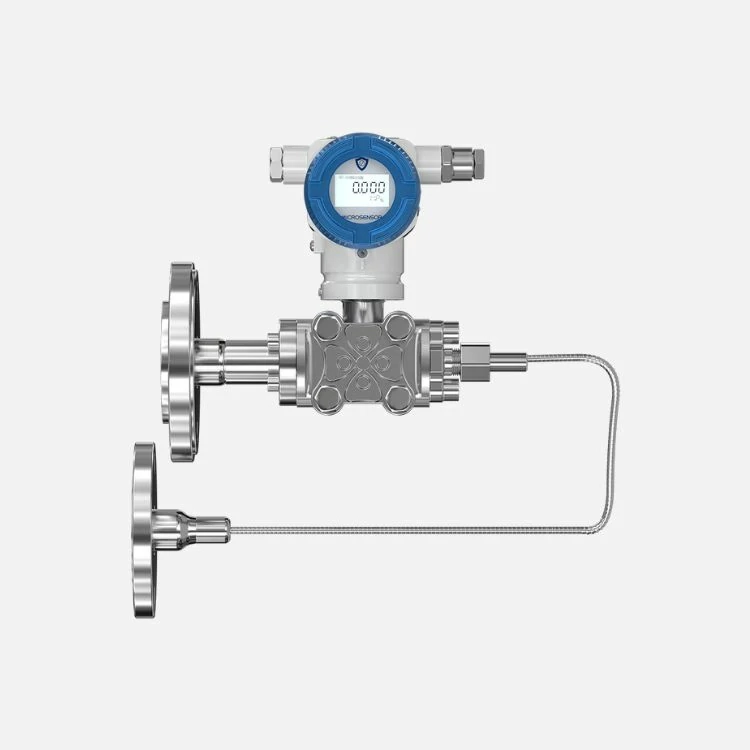
Accuracy: ±0.75%URL
Range: 0.4bar~2.5bar
Long-term stability: ±0.1% Span/10 years
DNV, ABS, KR, NK, and RS approved for installation on vessels
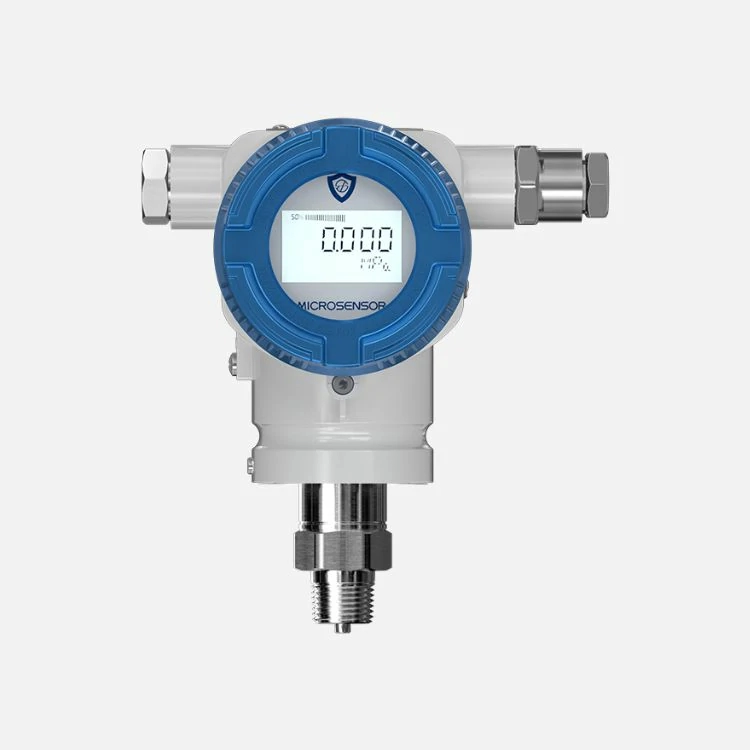
MDM7000-GP Accuracy:±0.075%, ±0.1%FS, ±0.2%URL
MDM7000-AP Accuracy:±0.1%, ±0.2%URL
MDM7000-GP Range:0.4bar ~400bar
MDM7000-AP Range:0.1bar~100bar
Long-term stability:±0.1% SPAN/10years
Maximum turndown ratio:100:1
DNV, ABS, KR, NK, and RS approved for installation on vessels
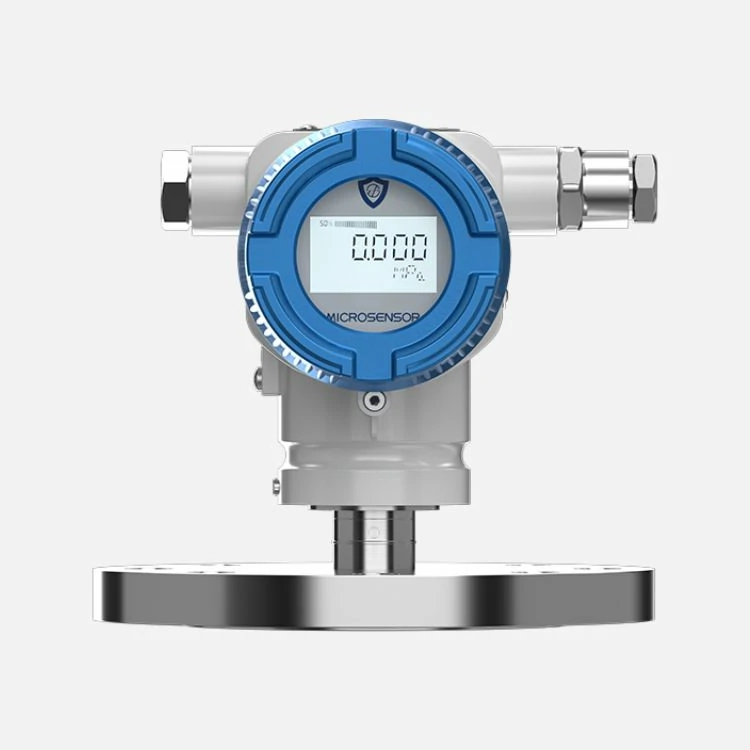
MDM7000-GP-T Accuracy:±0.1%、±0.2%URL
MDM7000-AP-T Accuracy:±0.1%、±0.2%URL
MDM7000-GP-T Range:0.4bar~100bar
MDM7000-AP-T Range:0.4bar~10bar
DNV, ABS, KR, NK, and RS approved for installation on vessels
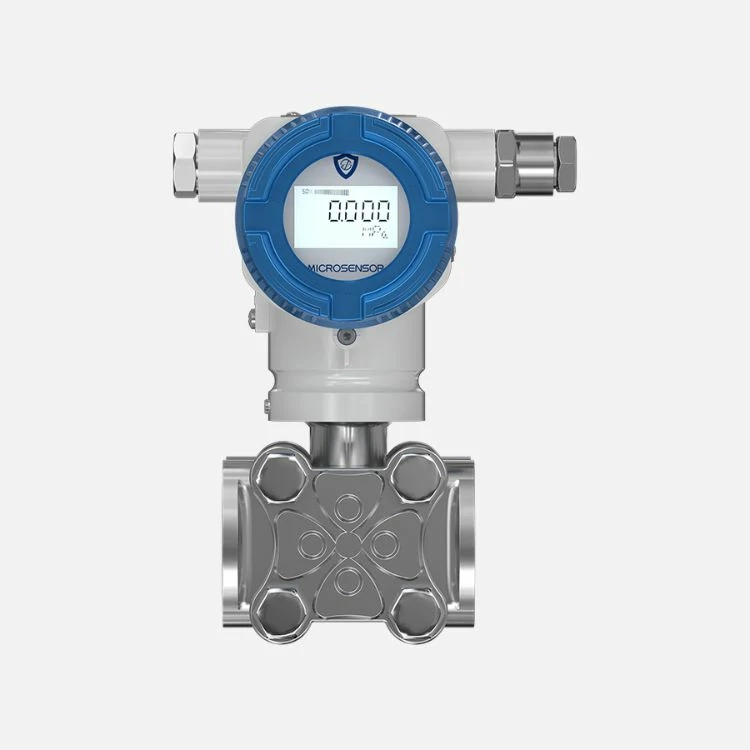
Accuracy: ±0.05%, ±0.075%URL
Range: 20mbar~100bar
Long-term stability: ±0.1% Span/10 years
Maximum turndown ratio:100:1
DNV, ABS, KR, NK, and RS approved for installation on vessels
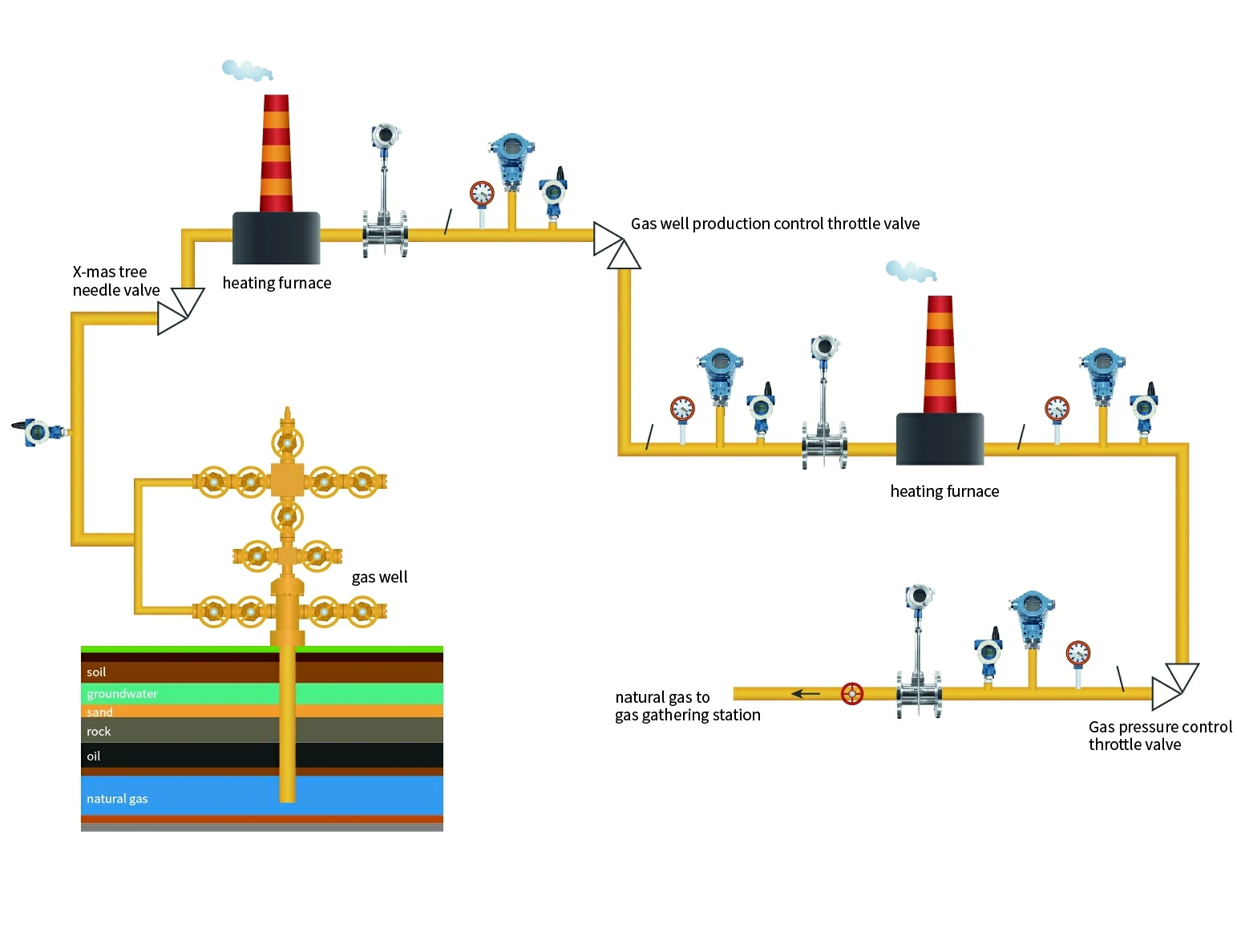
Centralizing the oil and gas produced by scattered oil wells, processing and initial processing, and exporting it after meeting the standards. The process requires multiple steps, including oil and gas separation, crude oil dehydration, and natural gas purification, thus requiring various instruments to measure production parameters.
more info...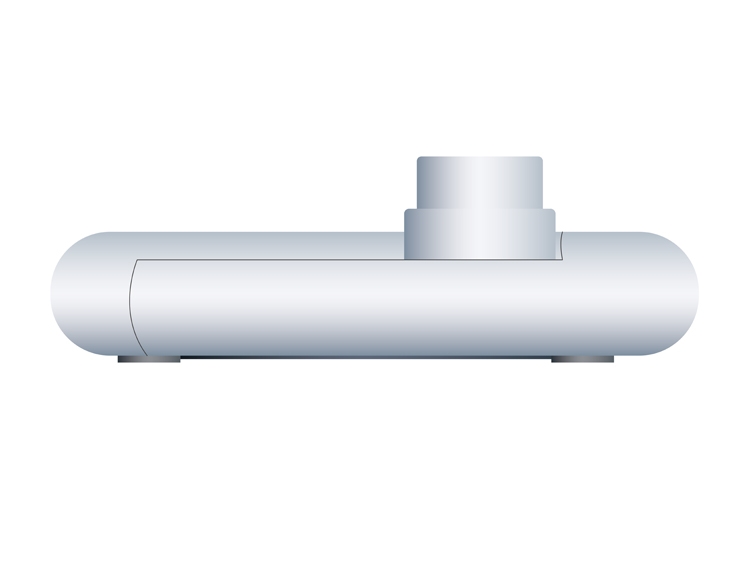
Pressure transmitters, level transmitters, and mass flow meters are installed in fuel tanks to provide real-time monitoring of fuel levels and pressure. Users can track current location and fuel consumption, access historical vessel data, calculate voyage distance and total fuel usage, and analyze operational efficiency.
more info...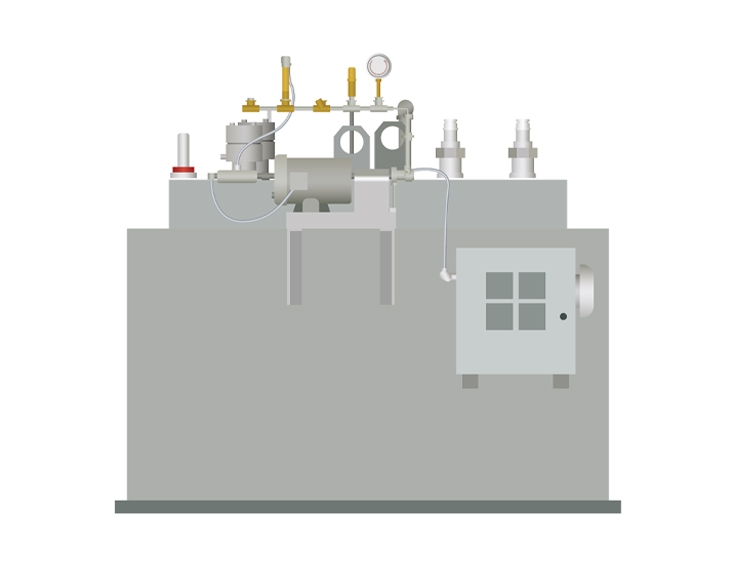
To ensure the fuel supply of the main engine, the separated heavy oil is first pumped to the settling tank, where the oil is heated and separated in the heating coil, and then purified by the oil separator before entering the daily tank through high-level overflow. The daily tank is directly connected to the main engine, boiler or other equipment, and the oil can be heated and used at any time.
more info...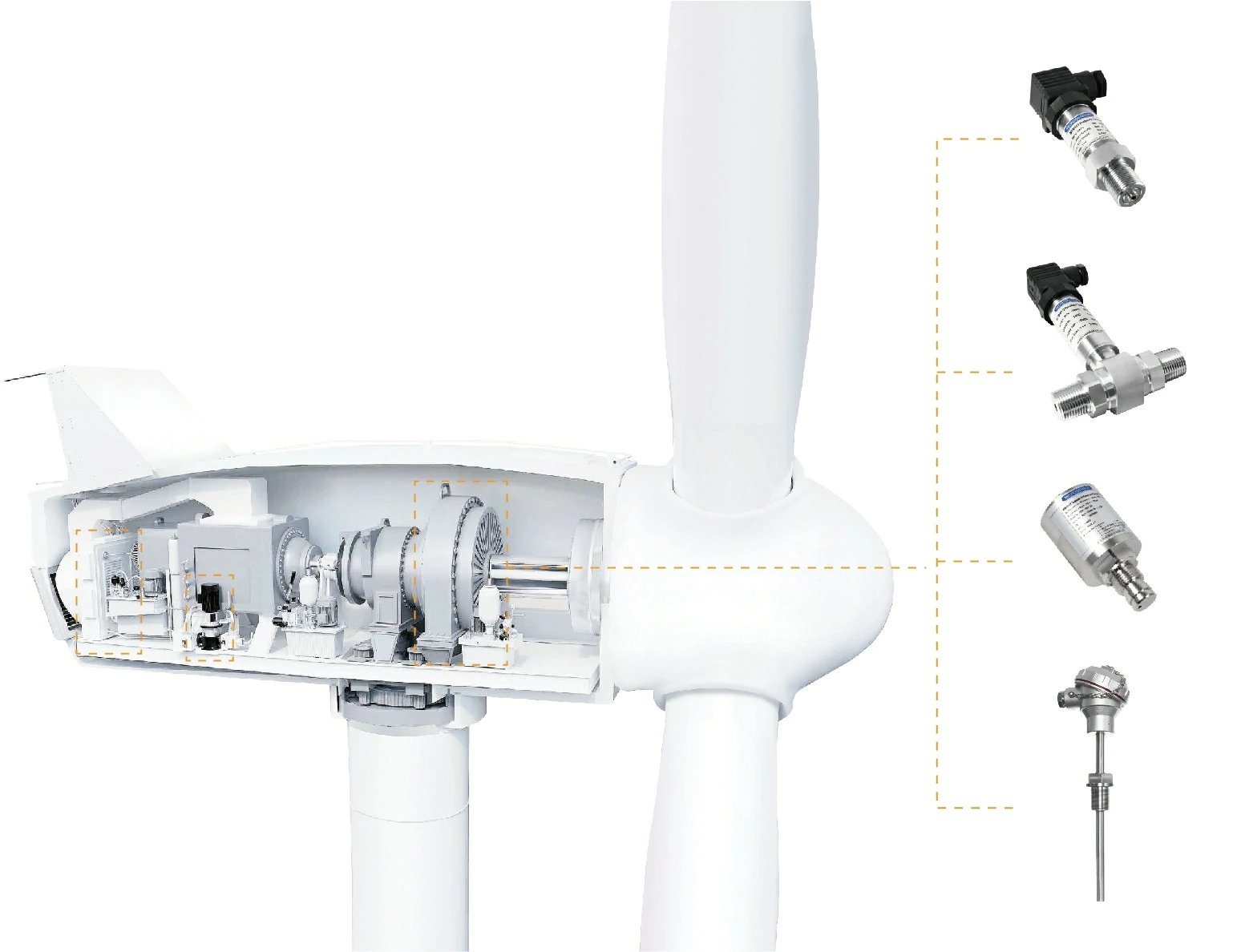
Wind turbines require a control system to optimize the direction of the turbine in accordance with the wind direction (yaw control) and adjust the angle of the blades (pitch control). This control system is completed by the cylinder system, based on the hydraulic principle, in which the pressure sensor plays a crucial role.
more info... Copyright © 2026 MICRO SENSOR CO., LTD