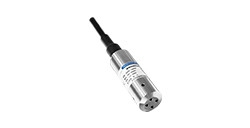







Submersible Level Transmitter
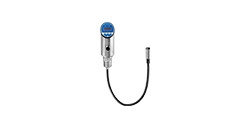
Level measurement: 0mH2O~2mH2O…200mH2O
Pressure measurement: 0mabr~200mabr...350bar
Outputs: 4mA~20mA, 1V~5V, 0.5V~4.5V...RS485-Modbus, etc.
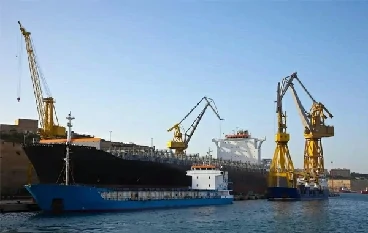
CCS, ABS, DNV approved for ship use
New Product Change Notice (PCN) effective Jan 1, 2025. MICROSENSOR appreciate your understanding.

MF7000
MF7000
Used For
Leave a MessageIntroduction
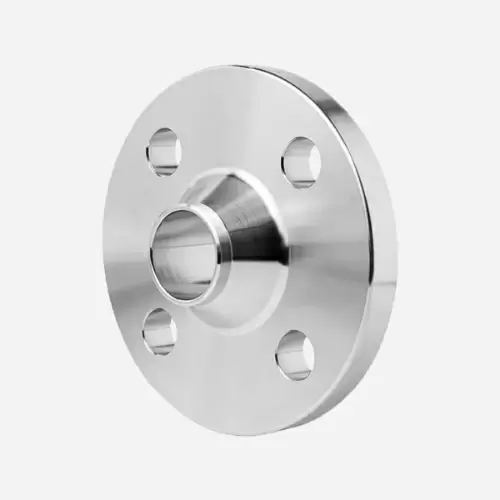
The function of a companion flange is to enable pipeline connections by utilizing pairing to achieve connection and closure.
Sealing gaskets are positioned between the flanges, and fasteners are tightened to ensure reliability and sealing of the connection. Flange connections offer easy assembly and disassembly, facilitating convenient replacements.
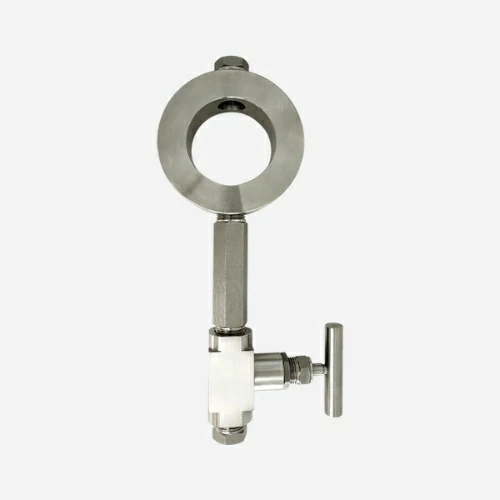
When used in pairs, one is designed for instrumentation while the other is welded to the pipeline, mutually referred to as companion-flange. In this order guide, the flange welded to the pipeline is defined as the companion-flange, adhering to standard size specifications.
Function
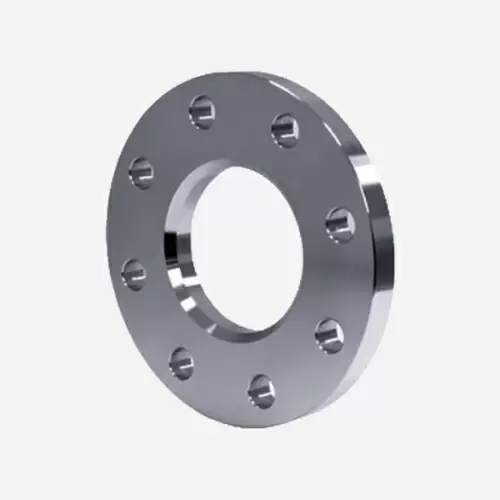
• Welding neck flange
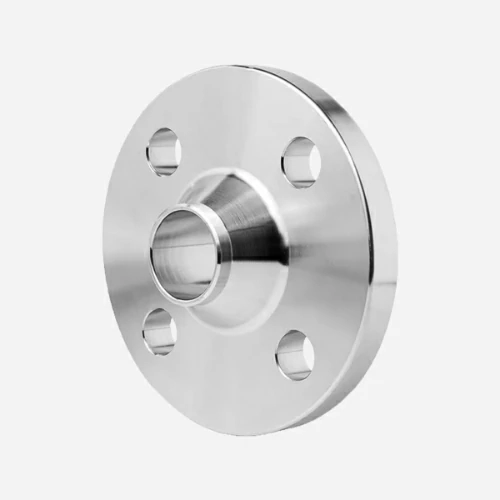
Applicable to various high-temperature and high-pressure pipeline equipment connections, the primary functions include pipe connection, enhancing safety, adapting to high-temperature and high-pressure conditions, and convenient maintenance.
• Plate flat welding flange
The sealing face is only applicable to RF Raised face (within the recommended range). Its advantages include a simple construction, easy installation, reduced equipment and cost investments, while meeting various pipeline operating conditions.
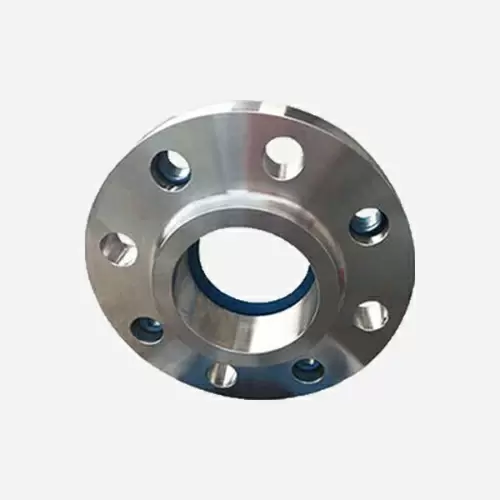
• Slip-on welding flange
Compared to other pipeline connection methods, its advantages lie in high-pressure resistance, corrosion resistance, excellent sealing, and ease of operation.
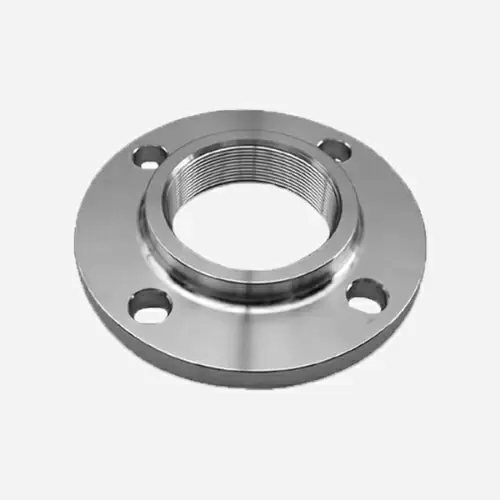
• Threaded flange
This is a type of flange that utilizes threading for pipeline connections, eliminating the need for welding. When the flange deforms, it imposes minimal additional torque on the cylinder or pipeline, making it suitable for highpressure pipeline connections.
Image:
Introduction
The function of a companion flange is to enable pipeline connections by utilizing pairing to achieve connection and closure.
Sealing gaskets are positioned between the flanges, and fasteners are tightened to ensure reliability and sealing of the connection. Flange connections offer easy assembly and disassembly, facilitating convenient replacements.
When used in pairs, one is designed for instrumentation while the other is welded to the pipeline, mutually referred to as companion-flange. In this order guide, the flange welded to the pipeline is defined as the companion-flange, adhering to standard size specifications.
Function
• Welding neck flange
Applicable to various high-temperature and high-pressure pipeline equipment connections, the primary functions include pipe connection, enhancing safety, adapting to high-temperature and high-pressure conditions, and convenient maintenance.
• Plate flat welding flange
The sealing face is only applicable to RF Raised face (within the recommended range). Its advantages include a simple construction, easy installation, reduced equipment and cost investments, while meeting various pipeline operating conditions.
• Slip-on welding flange
Compared to other pipeline connection methods, its advantages lie in high-pressure resistance, corrosion resistance, excellent sealing, and ease of operation.
• Threaded flange
This is a type of flange that utilizes threading for pipeline connections, eliminating the need for welding. When the flange deforms, it imposes minimal additional torque on the cylinder or pipeline, making it suitable for highpressure pipeline connections.

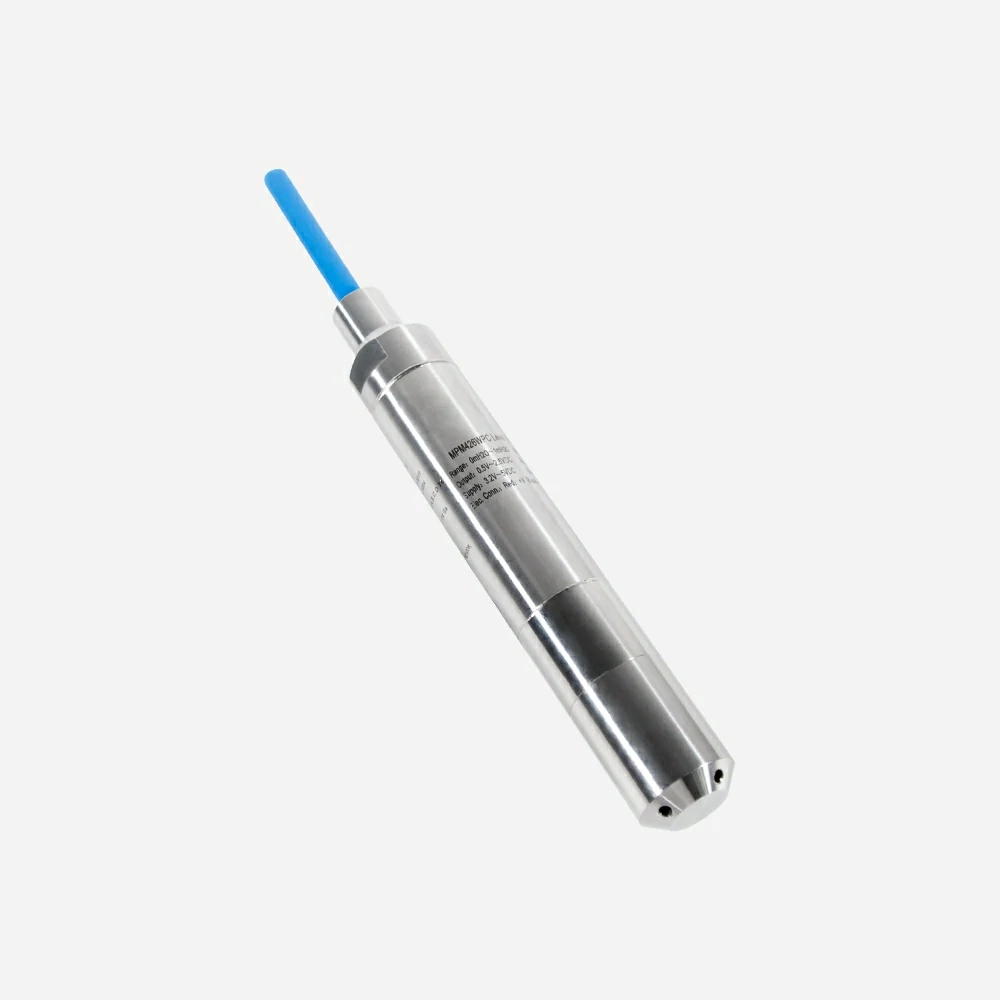
Level measurement: 0mH2O~2mH2O…200mH2O
Pressure measurement: 0mabr~200mabr...350bar
Outputs: 4mA~20mA, 1V~5V, 0.5V~4.5V...RS485-Modbus, etc.
CCS, ABS, DNV approved for ship use
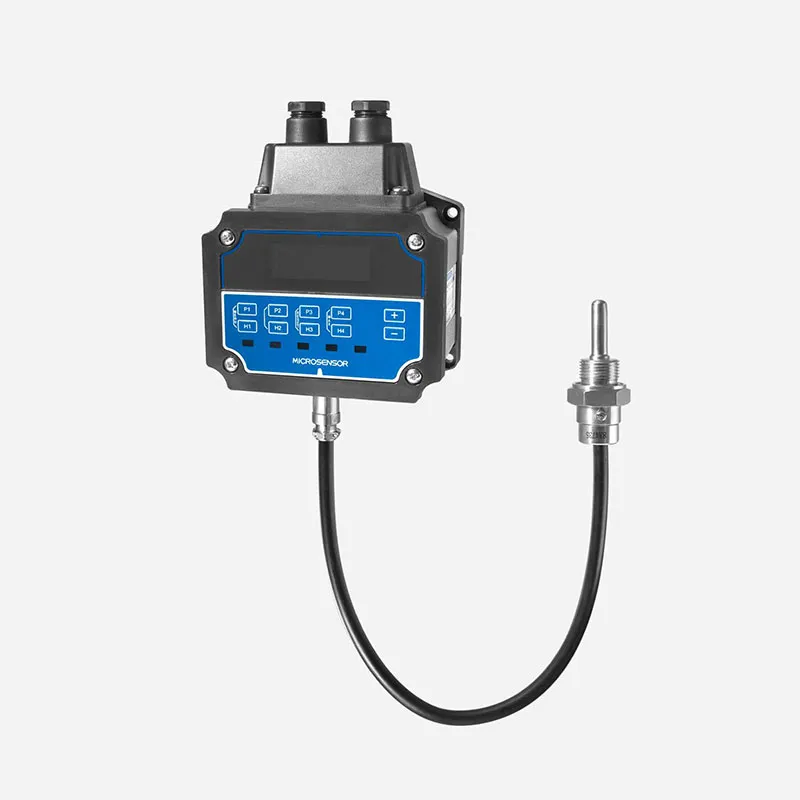
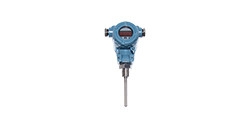
Temperature Range: -30~150℃ / -22~302℉
Accuracy: ≤±1℃ (FS≤100℃ ); ≤±2℃ (FS>100℃ )
Intrinsic safe version available

Measuring Range: -40°C~1600°C
Types: K/J/E/T/N/S/B
CE, RoHS, Explosion-proof
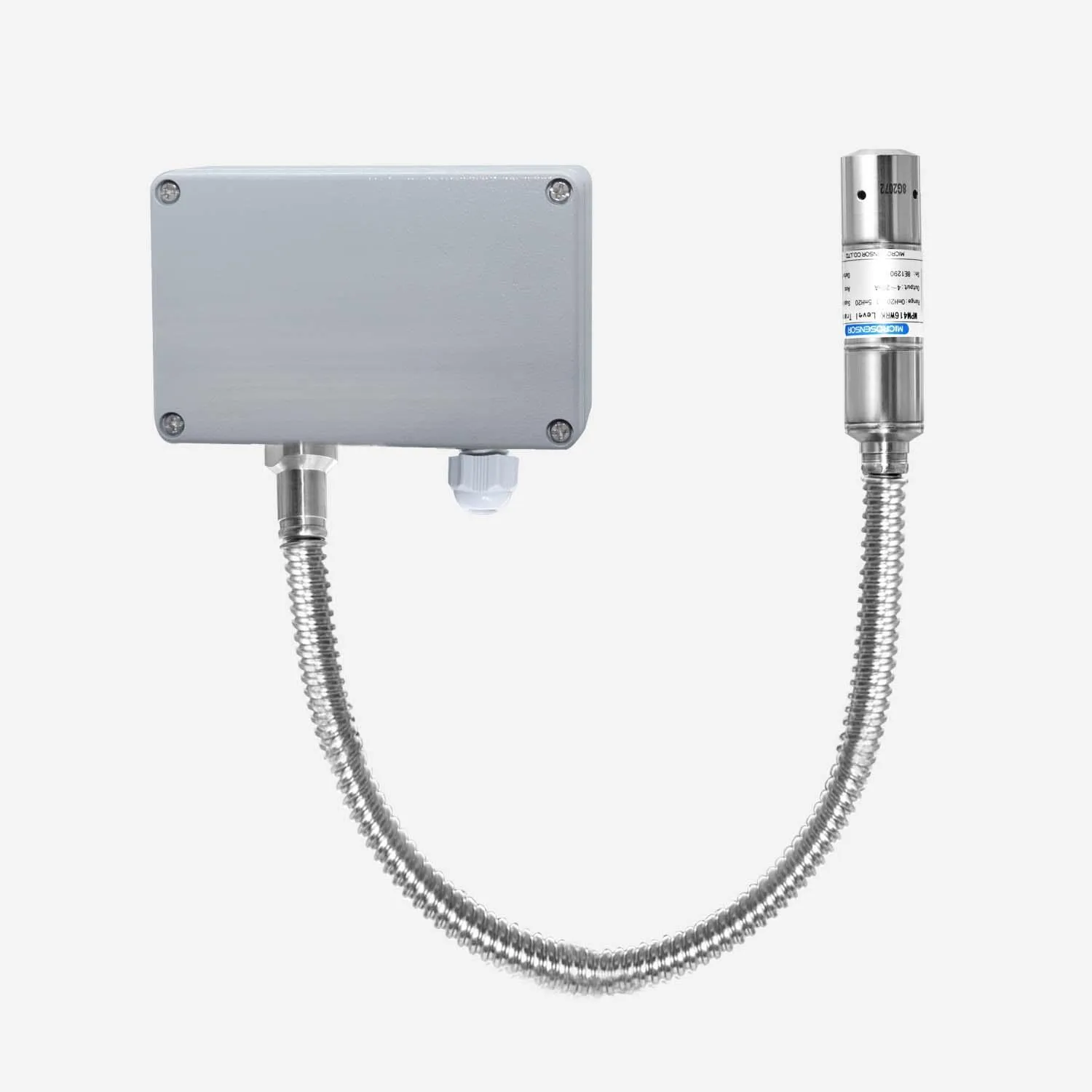
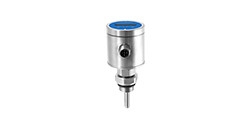
1 2 5 10 20mH2O;
Accuracy: +0.25%FS (typ.) +0.5%FS(max.);
4~20mADC;0~10/20mADC;0/1~5/10VDC
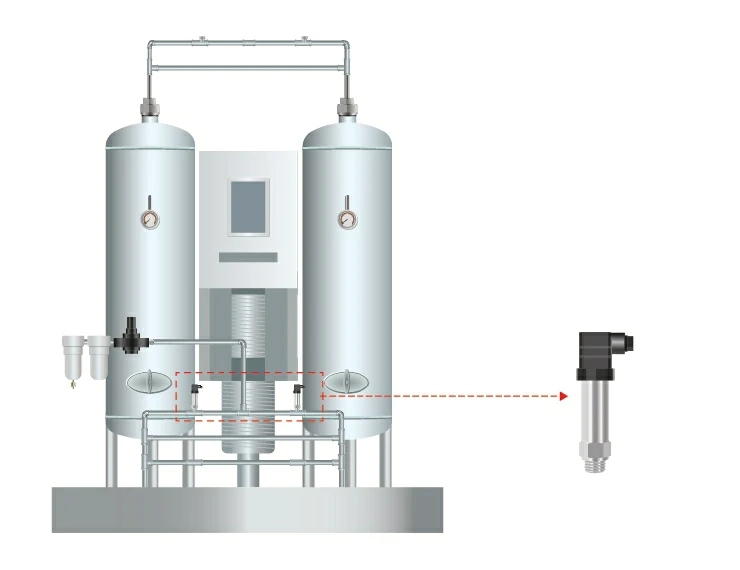
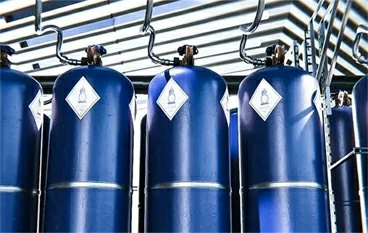
Nitrogen/oxygen generators are widely utilized in electronic equipment, medical devices, air conditioning refrigeration, and food & beverage industries. Pressure transmitters, being vital components of nitrogen/oxygen generators. They monitor the pressure within the container and throughout the variable pressure adsorption process.
more info...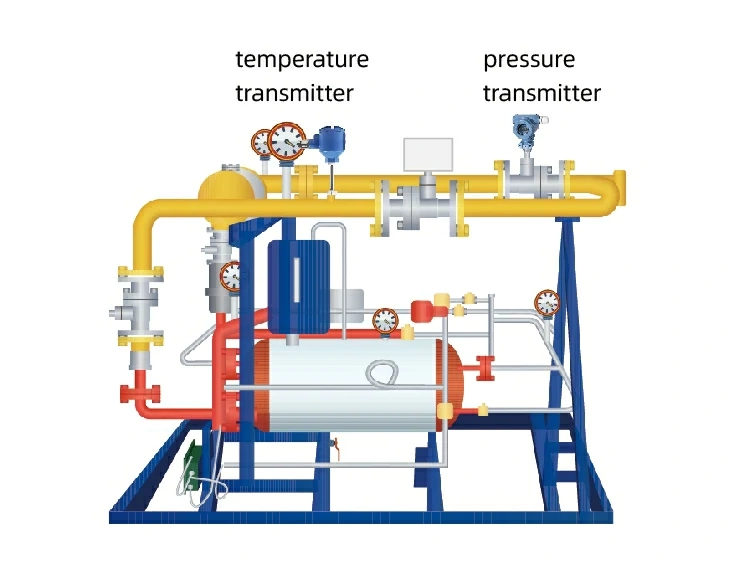
Gas skid equipment is a critical component in gas distribution systems. Equipped pressure and temperature transmitters can monitor parameters in real time. Then, the data is transmitted remotely to a central control room. The engineer or operator detects abnormal situations in time. It ensures the normal operation of the equipment and system.
more info...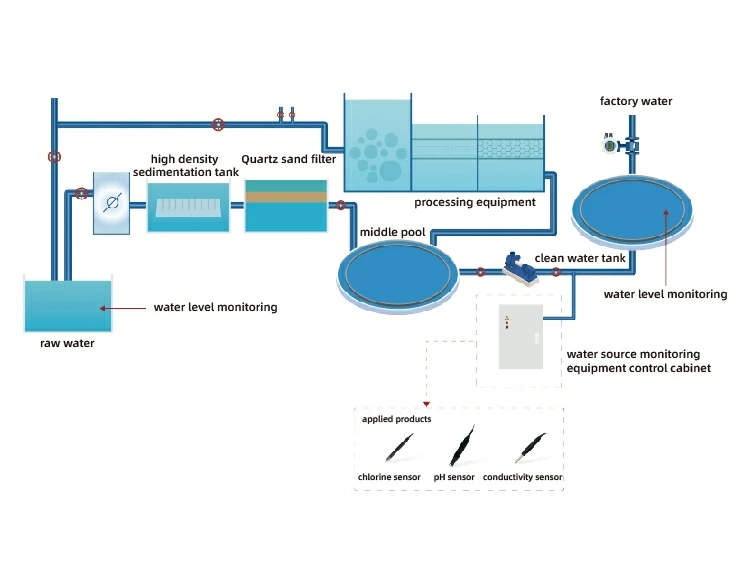
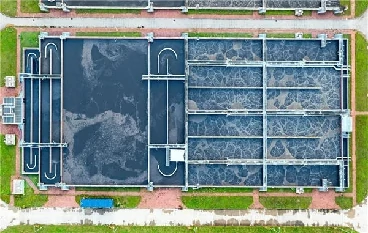
Pressure, flow, and level measuring instruments are deployed in water tanks, pipelines, and water inlets/outlets. This helps to manage the macro-control of production data in the water plant. Measuring instruments ensure smooth operation and normal production.
more info...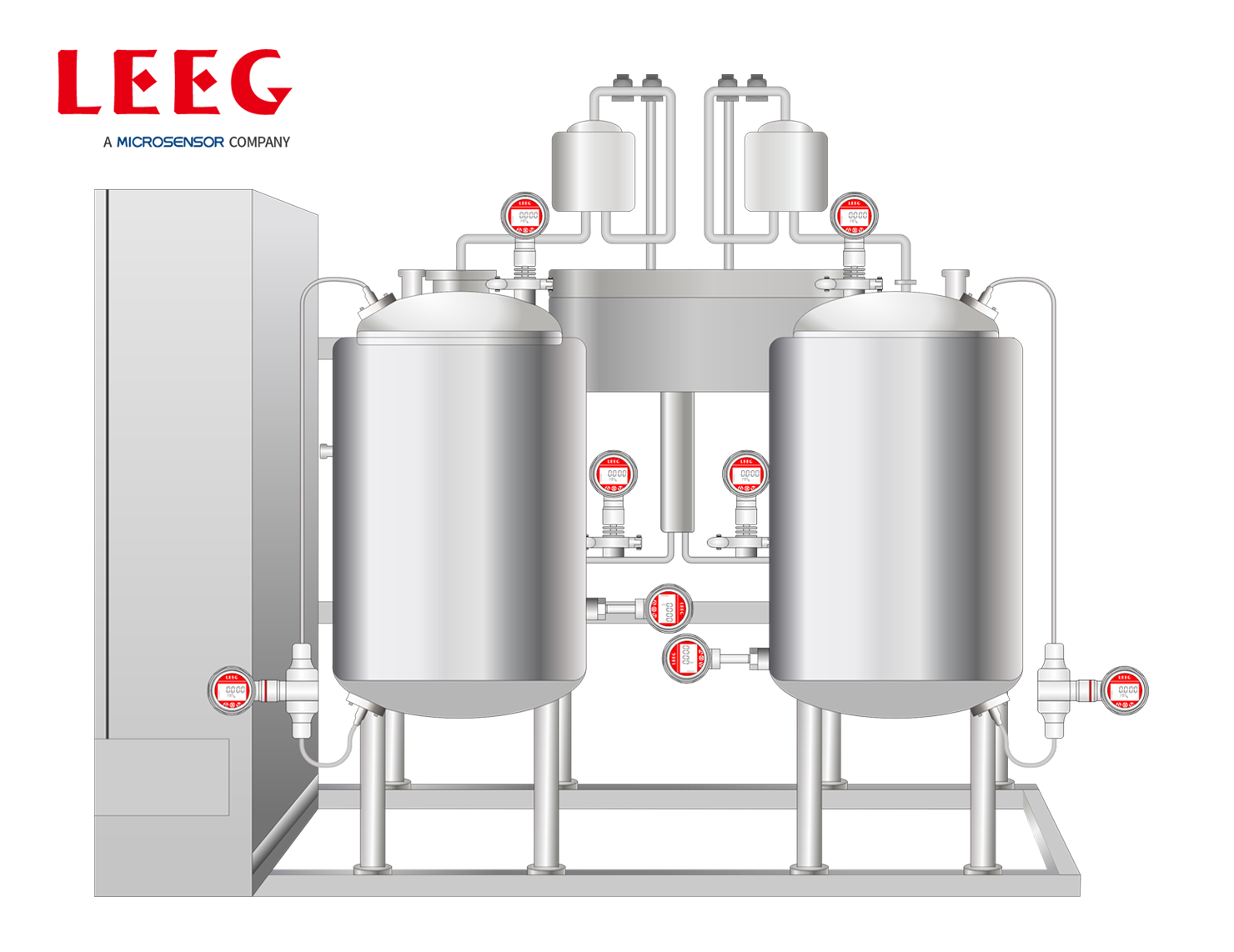
The liquid preparation tank is required to prepare various solvents and basic materials for subsequent production, regardless of whether it is to prepare injections, solutions, or detergents, and it needs to proportion different types of purified water, injection water, sucrose solutions, and suspensions. By measuring the liquid level, the filling and dispensing processes are controlled, and pressure measurement is required for the inlet pipelines of different solutions to prevent tank overflow or empty running through measurement.
more info... Copyright © 2026 MICRO SENSOR CO., LTD