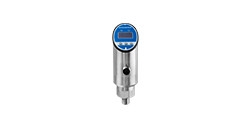
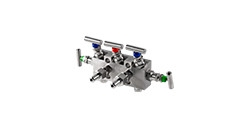
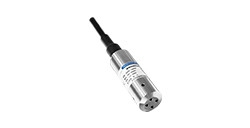
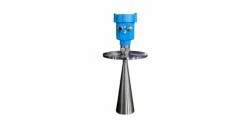
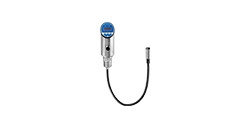
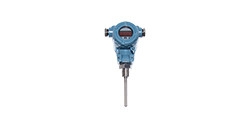
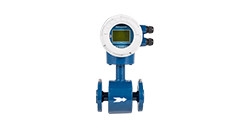
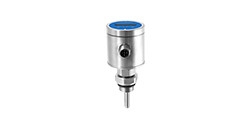





Differential Pressure Transmitter
0bar~0.4bar...35bar
Intrinsically safe, Ex ia IICT6 Ga
Accuracy: ±0.5%FS
New Product Change Notice (PCN) effective Jan 1, 2025. MICROSENSOR appreciate your understanding.

MPM430
Petrochemical Industry, Power Plant, Mine, Urban Water Supply, Hydro Exploration
Leave a MessageMPM430
Used For
Petrochemical Industry, Power Plant, Mine, Urban Water Supply, Hydro Exploration
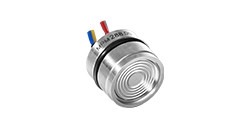
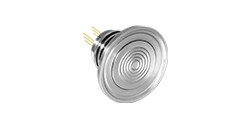
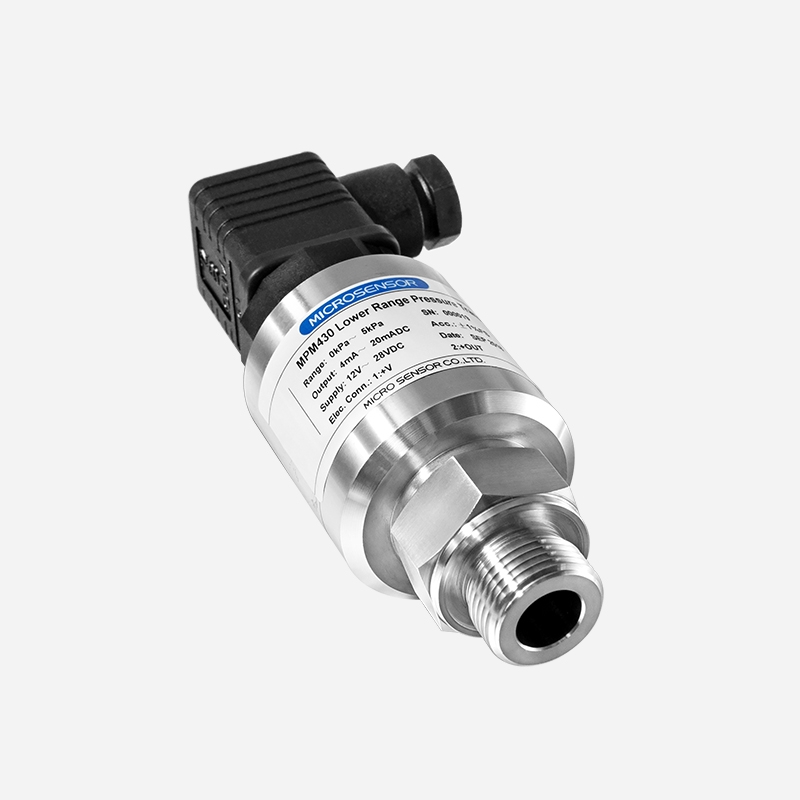
Leave a MessageThe MPM430 low range pressure transmitter is designed for low pressure measurements. The low pressure sensor offers two pressure port configurations to choose from, general and non-cavity, with a large contact area between the sensing diaphragm and the medium. The low pressure transducer adopts high-performance ceramic pressure sensor and fully sealed stainless steel structure. Compact size and reliable performance.
Features
• Pressure port has general, non-cavity two structures available. The contact surface between the pressure-sensing diaphragm and the medium is large
• Overpressure can reach dozens of times, which can resist strong pressure shocks
• Intrinsic safety type, Ex ia IIC T6 Ga
Specifications
• Pressure Type: gauge (with negative pressure measurement) absolute
• Long-term Stability: ±0.5%FS/year
• Thermal Drift:
≤±0.15%FS/10℃ (-20℃ ~ 80℃ )
≤±0.2%FS/10℃(-30℃ ~ -20℃ )
• Application Temperature:
-30℃ ~ 80℃ (plug connector type)
-20℃ ~ 70℃ (cable type, cable material: PE, PVC)
Material
• Wetted Parts
Isolated Diaphragm: 96% alumina ceramics
Pressure Port: SS 304
• Non-wetted Parts
Housing: SS 304/SS 316L
Cable: PE/PUR/PVC
Image:
The MPM430 low range pressure transmitter is designed for low pressure measurements. The low pressure sensor offers two pressure port configurations to choose from, general and non-cavity, with a large contact area between the sensing diaphragm and the medium. The low pressure transducer adopts high-performance ceramic pressure sensor and fully sealed stainless steel structure. Compact size and reliable performance.
Features
• Pressure port has general, non-cavity two structures available. The contact surface between the pressure-sensing diaphragm and the medium is large
• Overpressure can reach dozens of times, which can resist strong pressure shocks
• Intrinsic safety type, Ex ia IIC T6 Ga
Specifications
• Pressure Type: gauge (with negative pressure measurement) absolute
• Long-term Stability: ±0.5%FS/year
• Thermal Drift:
≤±0.15%FS/10℃ (-20℃ ~ 80℃ )
≤±0.2%FS/10℃(-30℃ ~ -20℃ )
• Application Temperature:
-30℃ ~ 80℃ (plug connector type)
-20℃ ~ 70℃ (cable type, cable material: PE, PVC)
Material
• Wetted Parts
Isolated Diaphragm: 96% alumina ceramics
Pressure Port: SS 304
• Non-wetted Parts
Housing: SS 304/SS 316L
Cable: PE/PUR/PVC


0bar~0.4bar...35bar
Intrinsically safe, Ex ia IICT6 Ga
Accuracy: ±0.5%FS
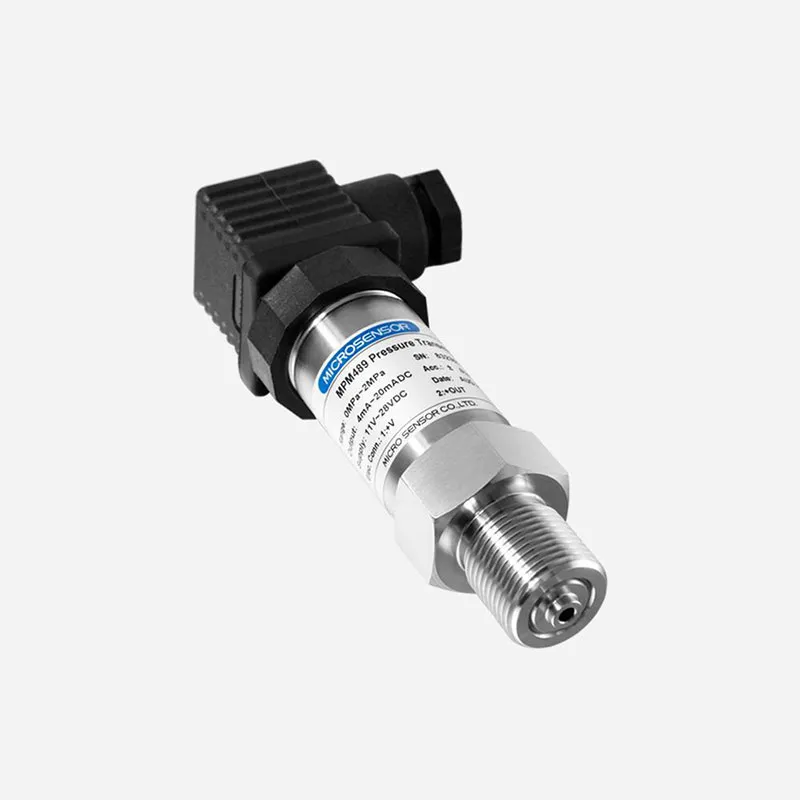
-1bar...0mbar~100mbar…1000bar
General / Flush Diaphragm
CE, RoHS, ATEX approved
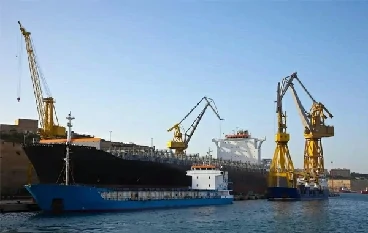
DNV and ABS certifications for installation on the ship
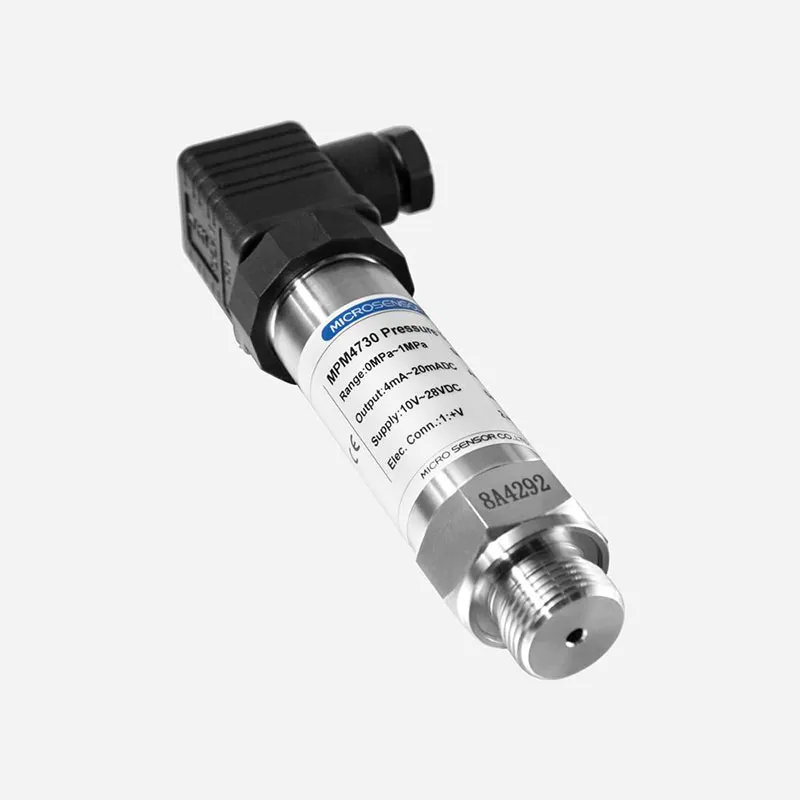
Range:-1bar...0~0.1bar…1000bar
RS485/HART® communication protocol
Accuracy: ±0.1%FS, ±0.25%FS, ±0.5%FS
DNV approved for ship use
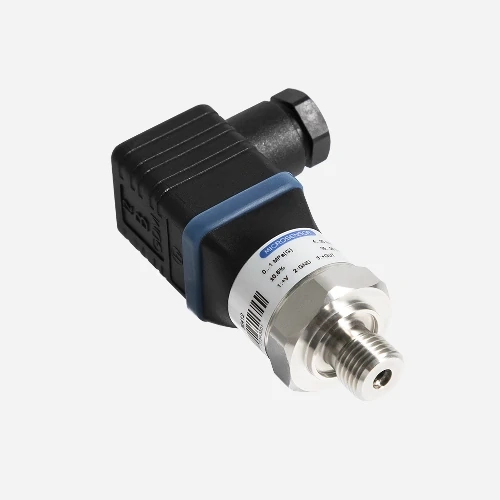
Range: 0~250mbar to 0~250bar
Accuracy:±0.25%FS, ±0.5%FS
Output: 4mA~20mA DC, 0/1V~5/10V DC, 0.5V~4.5V DC
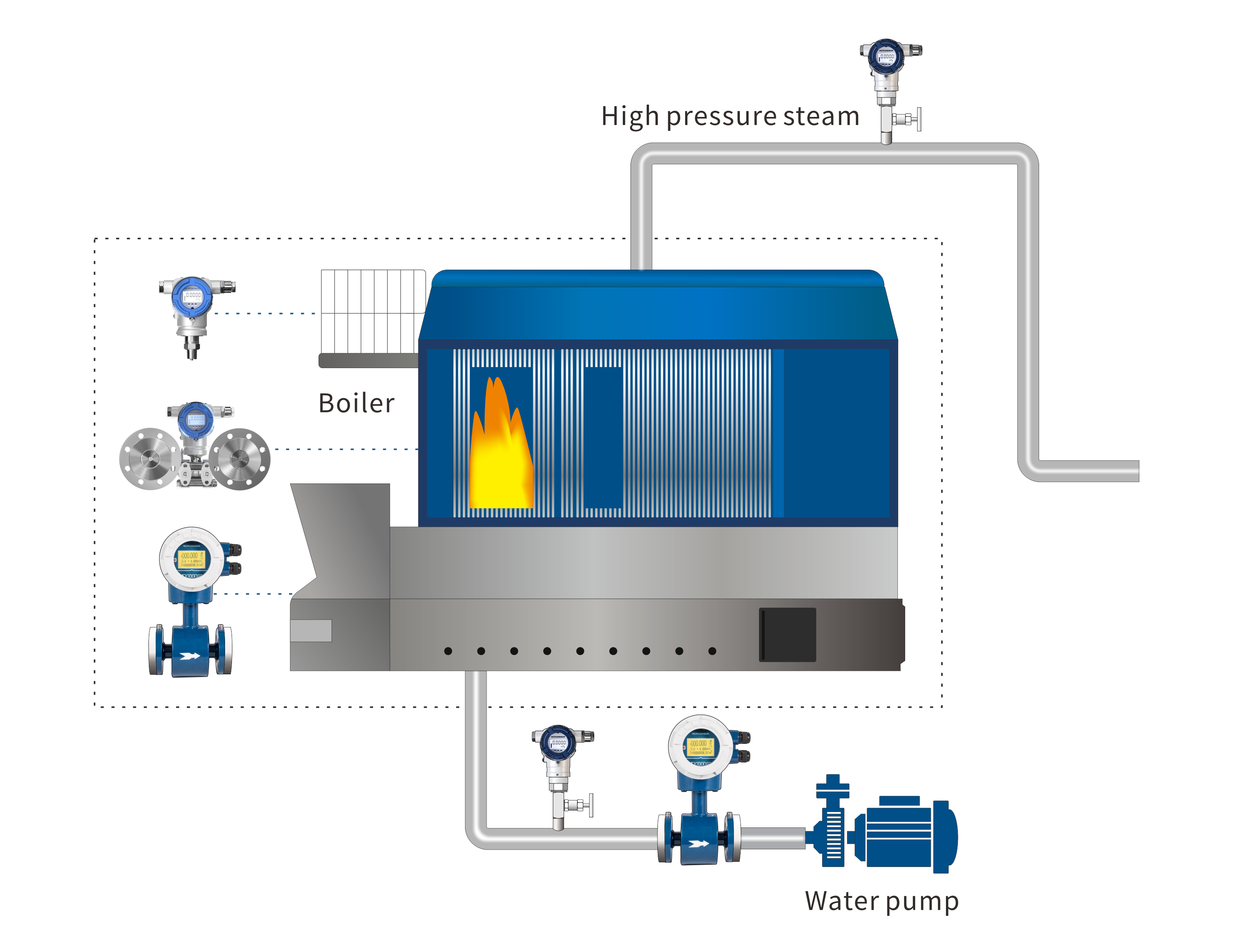
In the electric power industry, especially in power plants and transmission systems, it is very important to accurately monitor and control pressure, level, temperature and flow, because these specifications will directly affect the operating efficiency and safety of the system. Micro Sensor's monitoring instrumentation solutions integrate advanced sensor technology and intelligent control systems, which can provide accurate data and efficient control even in complex environments, and optimize the power production and transmission process.
more info...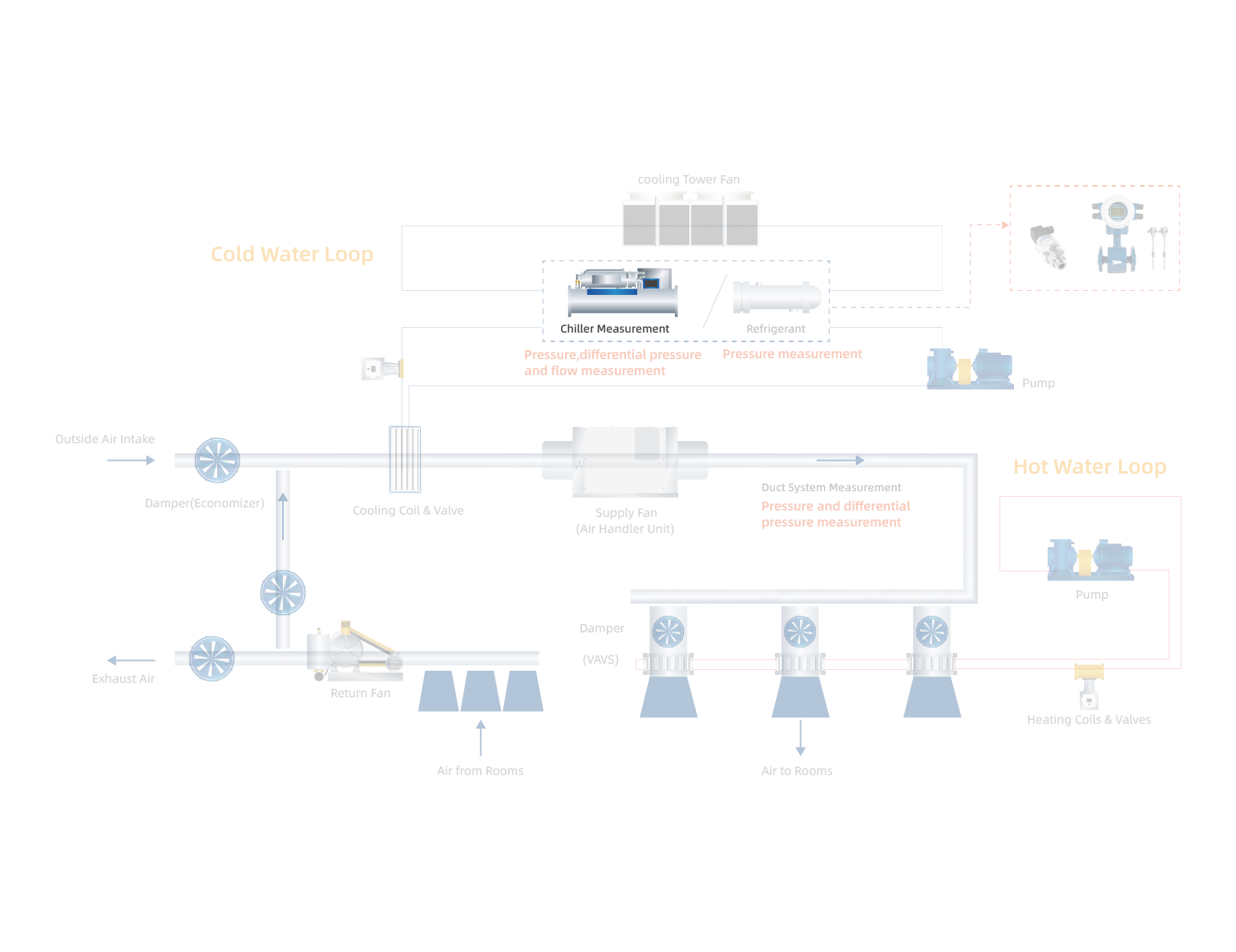
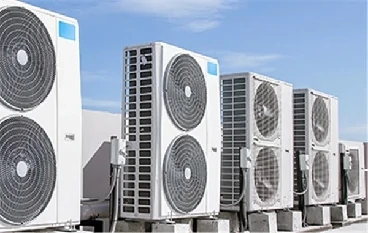
In the HVAC chiller systems, measuring heat and pressure is vital for optimal performance. Pressure transmitters ensure the refrigerant operates within safe limits, while flow meters and temperature sensors calculate heat exchange efficiency. Accurate measurements enhance system reliability, and efficiency, and prevent potential failures.
more info...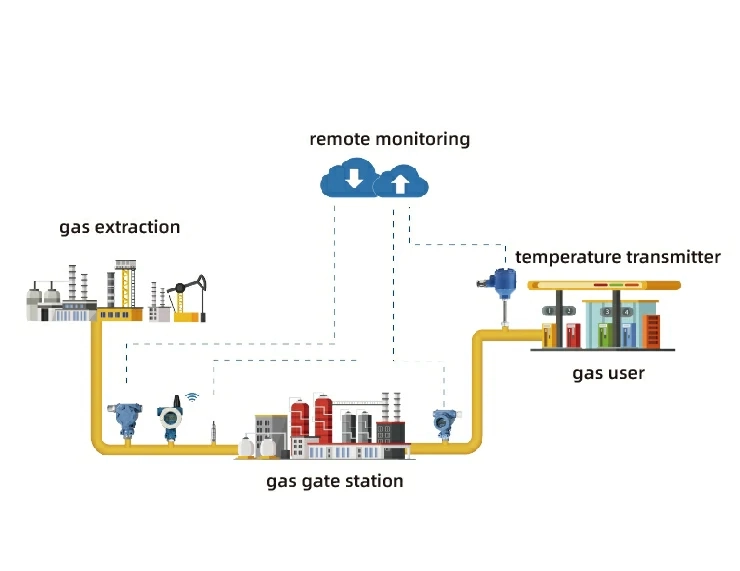
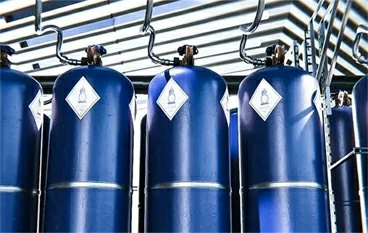
Natural gas undergoes a long process of transportation pipeline transmission, filtration, odorization, and pressure regulation from extraction to end-user consumption. In this process, monitoring the pressure and temperature within the pipeline is critical to ensuring the proper operation of the system.
more info...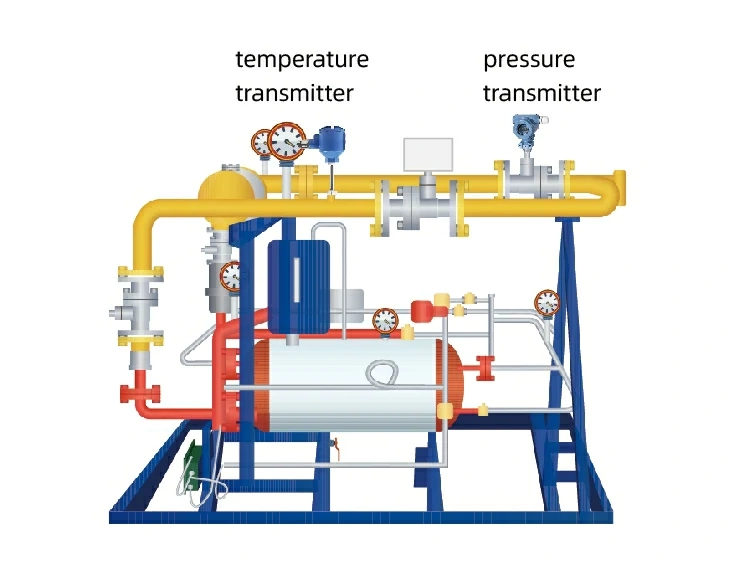
Gas skid equipment is a critical component in gas distribution systems. Equipped pressure and temperature transmitters can monitor parameters in real time. Then, the data is transmitted remotely to a central control room. The engineer or operator detects abnormal situations in time. It ensures the normal operation of the equipment and system.
more info... Copyright © 2026 MICRO SENSOR CO., LTD