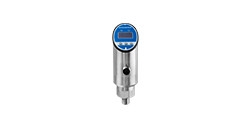




Anti-corrosive Pressure Sensor
Φ19mm
-1bar...0bar~1bar…700bar
Tantalum Diaphragm
New Product Change Notice (PCN) effective Jan 1, 2025. MICROSENSOR appreciate your understanding.

MPM280TS
Chemical Processing, Oil and Gas Production, Water Treatment
Leave a MessageMPM280TS
Used For
Chemical Processing, Oil and Gas Production, Water Treatment
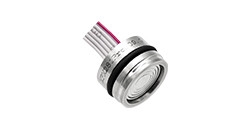
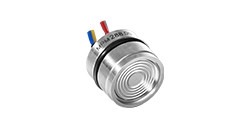
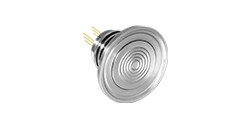
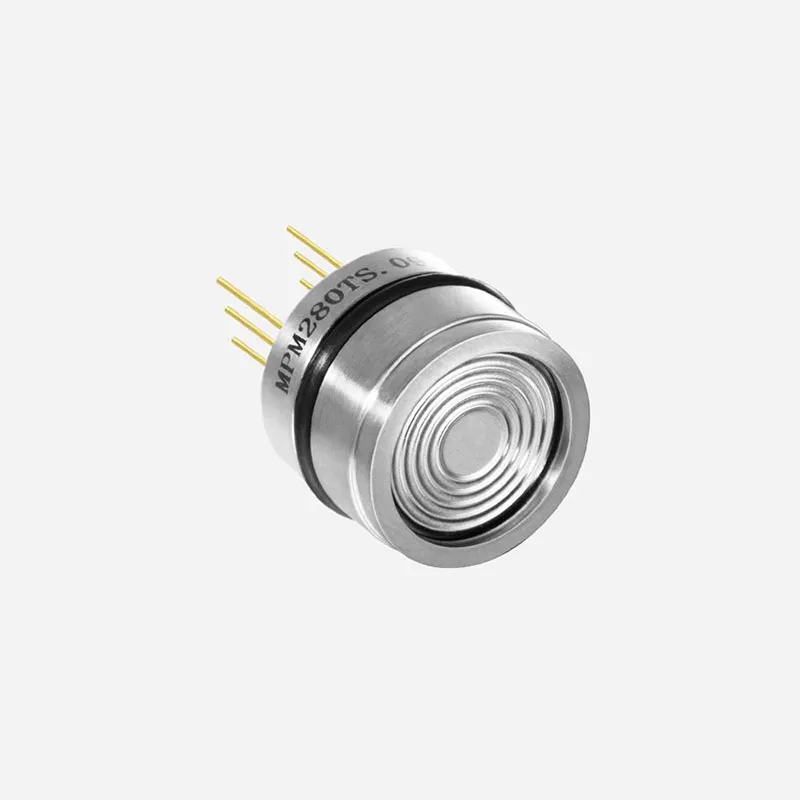
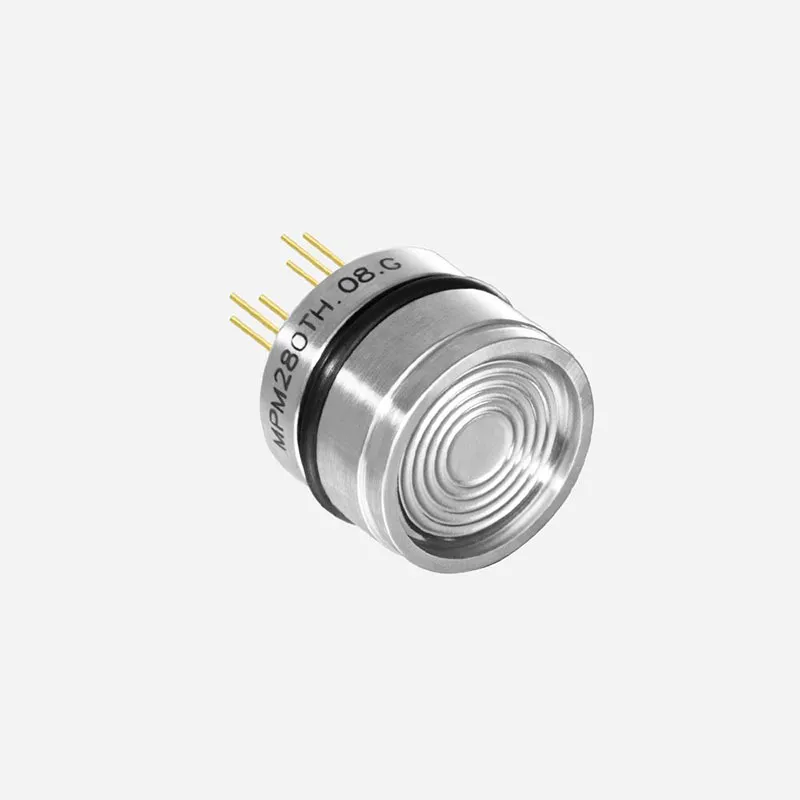
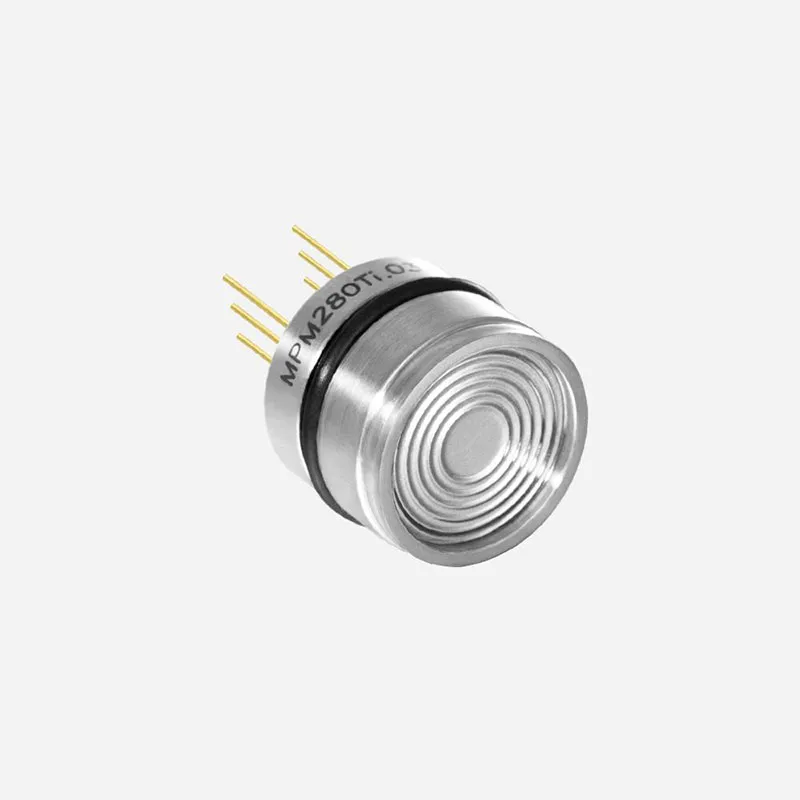
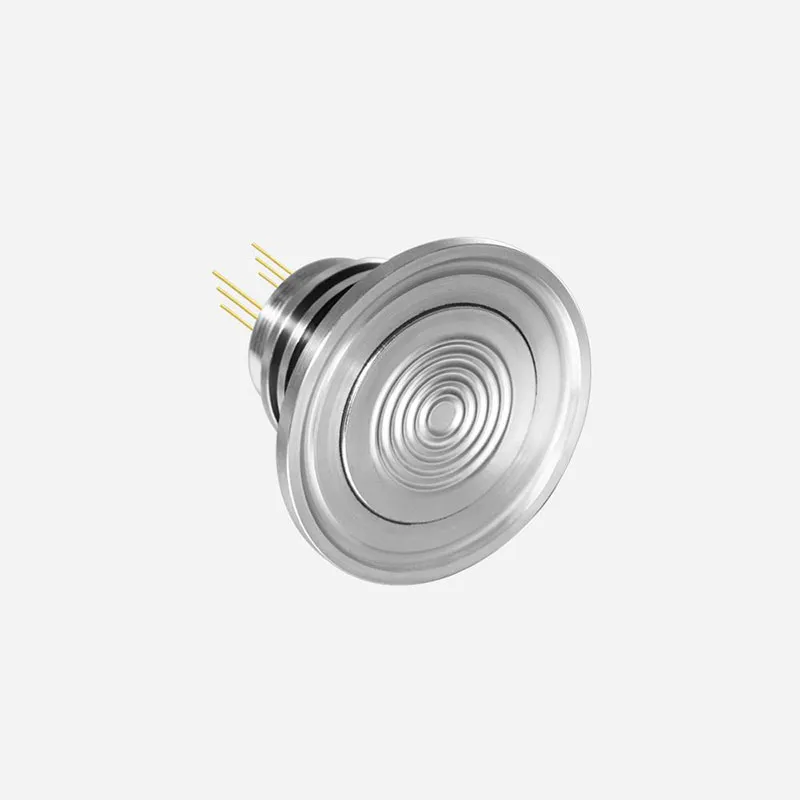
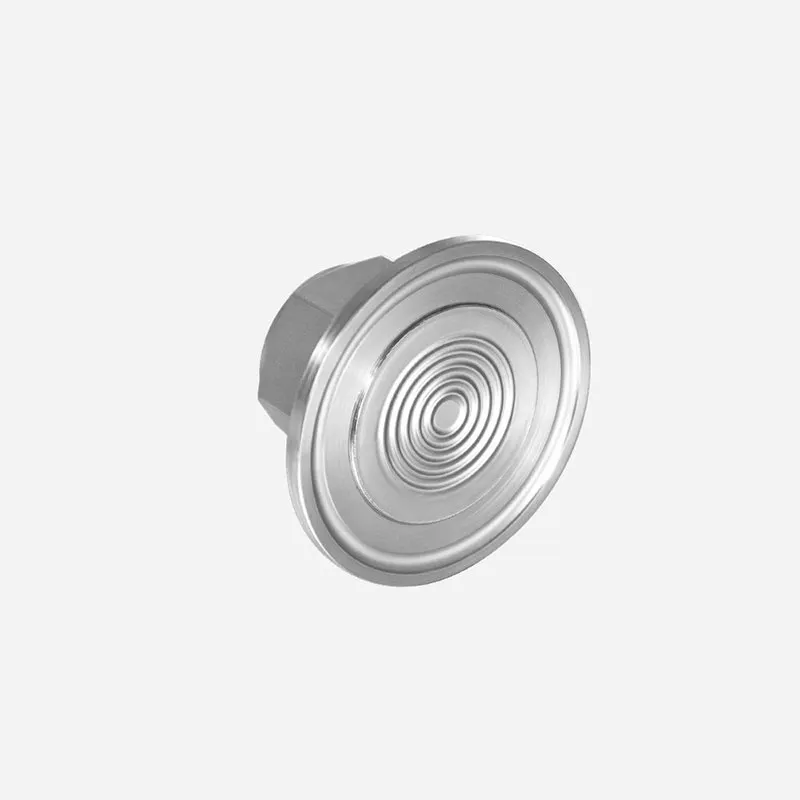
Leave a MessageMPM280TS Anti-corrosive Pressure Sensor is made of corrosion-resistant materials to resist the erosion of corrosive media. Tantalum isolated diagram plus SS316L shell housing. Viton O-rings for sealing. Both standard and customized mechanical and electrical configurations are available.
The anti-corrosive property of MPM280TS makes it ideal for use in a wide range of industrial applications, including chemical processing, oil and gas production, and water treatment. By providing accurate and reliable pressure measurements, even in corrosive environments, anti-corrosive pressure sensors help ensure safe and efficient operations, while reducing downtime and maintenance costs.
Specification
• Linearity: Typ. ±0.15 %FS
• Repeatability: Typ. ±0.05 %FS
• Hysteresis: Typ. ±0.05 %FS
• Zero output: Typ. ±1.0 mV DC
• Output/Span**: Min. 70 mV DC
• Zero thermal error: Typ. ±0.75 %FS, @25℃
• FS thermal error: Typ. ±0.75 %FS, @25℃
• Working Temp. Range: -40~125 ℃
• Long-term Stability: Typ. ±0.2% FS/Year
Image:
MPM280TS Anti-corrosive Pressure Sensor is made of corrosion-resistant materials to resist the erosion of corrosive media. Tantalum isolated diagram plus SS316L shell housing. Viton O-rings for sealing. Both standard and customized mechanical and electrical configurations are available.
The anti-corrosive property of MPM280TS makes it ideal for use in a wide range of industrial applications, including chemical processing, oil and gas production, and water treatment. By providing accurate and reliable pressure measurements, even in corrosive environments, anti-corrosive pressure sensors help ensure safe and efficient operations, while reducing downtime and maintenance costs.
Specification
• Linearity: Typ. ±0.15 %FS
• Repeatability: Typ. ±0.05 %FS
• Hysteresis: Typ. ±0.05 %FS
• Zero output: Typ. ±1.0 mV DC
• Output/Span**: Min. 70 mV DC
• Zero thermal error: Typ. ±0.75 %FS, @25℃
• FS thermal error: Typ. ±0.75 %FS, @25℃
• Working Temp. Range: -40~125 ℃
• Long-term Stability: Typ. ±0.2% FS/Year


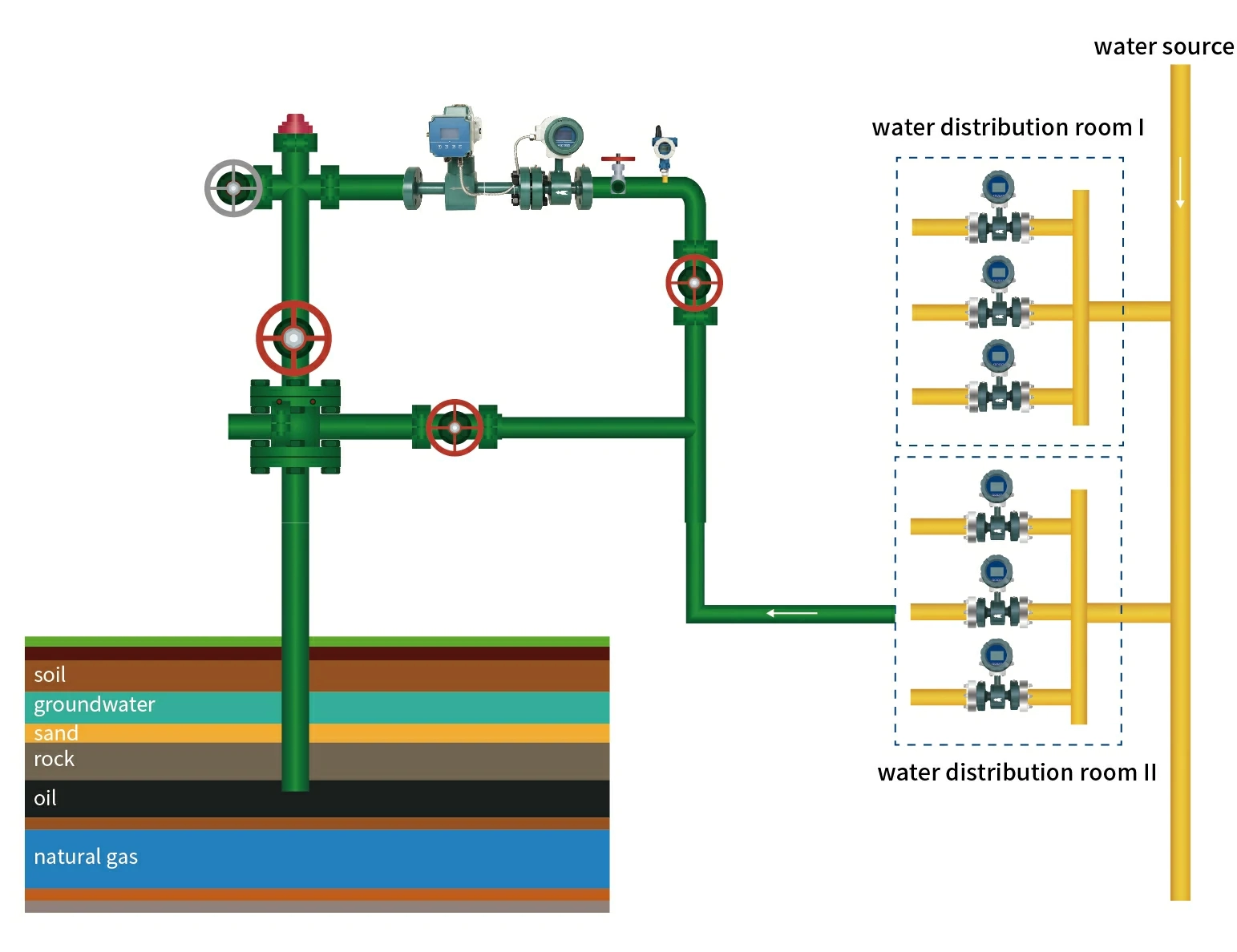
Install instruments like electromagnetic flowmeters, temperature/pressure transmitters, flow controllers in the pressure pumps, water injection pipelines, and water injection wells to monitor the water injection volume, pressure, and level changes in real time so that the pressure and volume of the well-injected water can be controlled.
more info...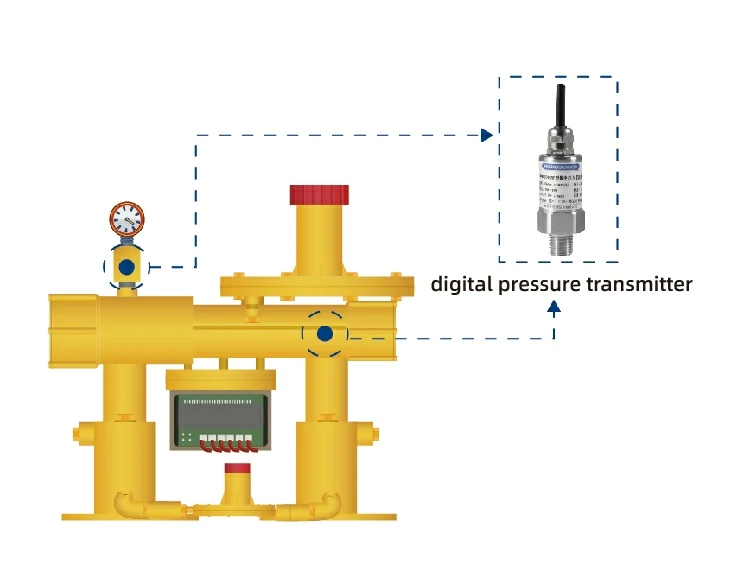
The main function of the gas regulator is to adjust the higher gas inlet pressure to the set lower gas outlet pressure. With a series of changes in gas consumption and inlet pressure, the gas regulator will automatically keep the outlet pressure value within a certain range and play a stabilising role. The pressure transmitter is the core component of the regulator.
more info...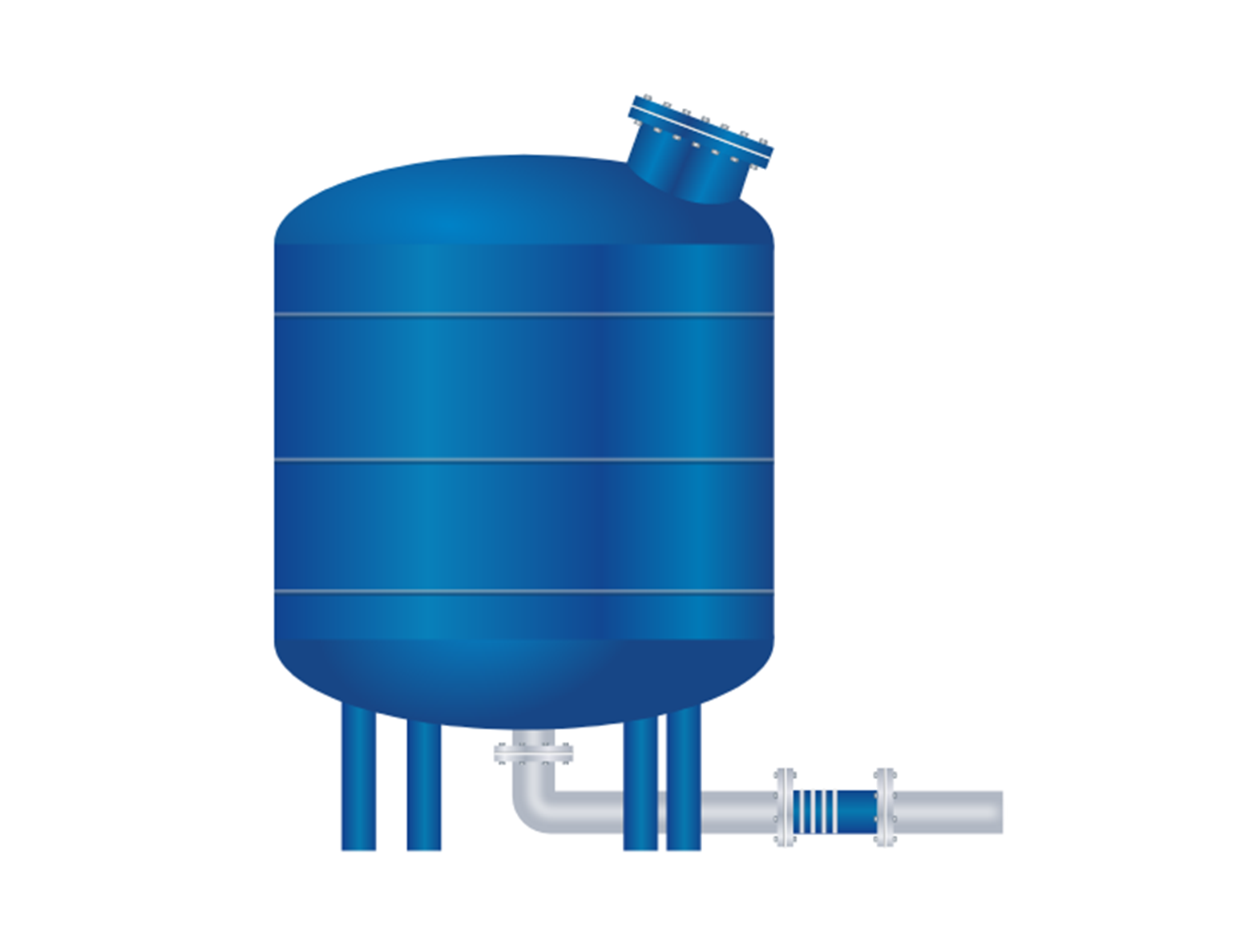
The pulp undergoes high-temperature bleaching in a tower using peroxides, ozone, or oxygen to get the right white color. The tower usually stays empty while the large amount of bleached pulp is dumped via a screw conveyor.
more info...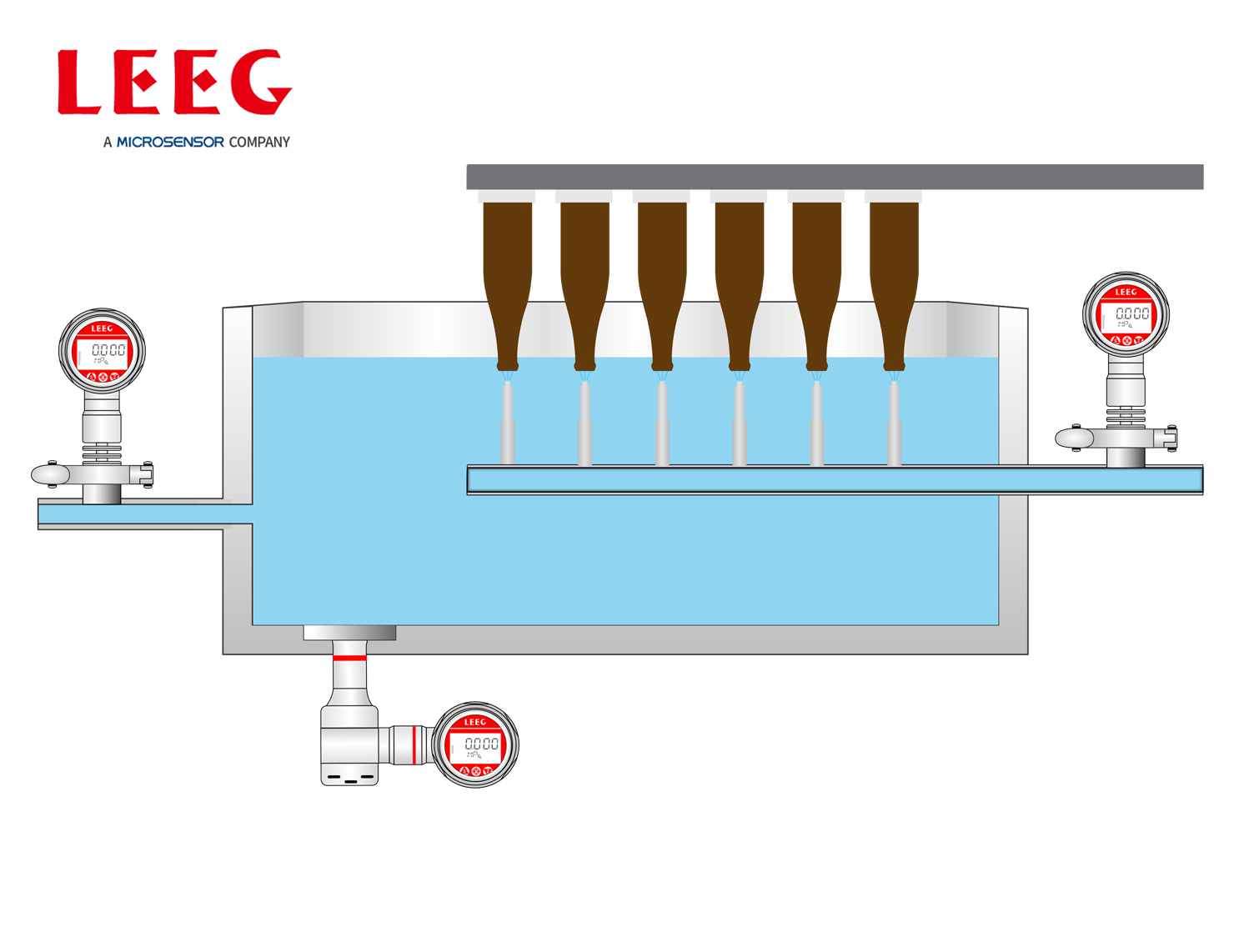
Before beer bottles, medicine bottles, and condiment bottles are filled with liquid, they need to be cleaned first. The cleaning process is as follows: First, the bottles are filled with lye in the alkali tank to remove most of the stains; then, the bottles are back washed with high pressure using water of different temperatures to wash away the remaining impurities and lye. To ensure the stable operation of the bottle washing machine, the level of the alkali tank needs to be measured by hydrostatic pressure. In addition, the pressure of the alkali tank water inlet pipe and the nozzle pipe also needs to be measured.
more info... Copyright © 2026 MICRO SENSOR CO., LTD